Food&Rest

Traditional Mexican Drinks That Perfectly Complement Your Meal

By Posted on 3 min read 65 views

People are strange about drinks. When you think about it, they spend time picking food, but grab drinks without thinking. Whatever is cold. Whatever is easy. The problem is that many people eat great Mexican food with sodas that they do not even taste. The drink fills the glass, but does not help the meal. It just sits there.

Here is the simple truth. The right drink can change how food tastes. It can cool spice, add balance, and make flavors clearer. When the drink and food work together, the meal feels complete.

Aguas frescas

All across Mexico, aguas frescas are everywhere. At their most basic, they are made with fruit, water, and sugar. Sometimes lime. That is it. The beauty is that they are not thick. They are not fizzy. What they do instead is clean your mouth between bites.

Of all the options, horchata is the famous one. It is white and creamy, made with rice, cinnamon, and sugar. The reason it works great with spicy food is simple. When your mouth burns, horchata cools it down. In a way, it is like putting ice on a burn. Everything feels better.

Atole

Unlike most Mexican drinks, atole is hot, not cold. What makes it special is that it is thick, like pudding, but still drinkable. The traditional recipe uses corn masa or rice, mixed with milk, cinnamon, and sugar. While many people drink it at breakfast, it also works with dinner.

The thing about atole is that it feels comforting. It is like wearing a sweater inside. Not surprisingly, it goes perfectly with tamales. Both are corn-based. They belong together. When you combine them, the salty tamale and the sweet drink balance each other out.

For chocolate lovers, champurrado is atole with chocolate. It is darker and richer. Not too sweet, but it feels special. The truth is that if you eat tamales without trying champurrado, you are missing something good.

Mexican hot chocolate

Right from the start, Mexican hot chocolate is not like packets of Swiss Miss. Instead of powder, it uses chocolate tablets, cinnamon, and sometimes chili. As a result, the taste is deep, not just sweet.

It goes especially well with sweet breads and pastries. When paired together, churros, conchas, and empanadas all taste better with it. At the same time, it also works for breakfast. On cold nights, this drink feels right. In a way, it is like closing curtains when it gets dark.

Mezcal

From the first sip, mezcal tastes like smoke. Some people love it. Some do not. Both reactions are fine.

Where mezcal really shines is with grilled meats and dishes with deep flavors. For example, mole and mezcal are a good match. The smoke in the drink brings out the char in the food. The key is that you sip it slowly. A little goes a long way. With the right food, it can make simple dishes feel fancy.

Micheladas

At its most basic, a michelada is beer mixed with lime juice, spices, and tomato juice. To make it complete, the glass has salt and chili on the rim. The result is salty, spicy, and refreshing.

The great thing is that micheladas go with everything salty. Tacos, chips, grilled food, spicy dishes. What they do best is cut through grease and keep things interesting. When you drink one, a michelada is like a drink and a snack together. It keeps you awake during the meal.

Mexican sodas

Let us be honest here. Not everyone wants to try new things. That is normal. The good news is Mexican sodas are better than regular sodas.

For instance, Jarritos offers flavors such as mandarin and tamarind. These actually taste good with food. As another example, Sidral Mundet is apple soda. It works with spicy dishes. Even something simple like Topo Chico is just sparkling water, but it is the best one. Between bites, it cleans your mouth.

The point is not that all soda is bad. What matters more is that the right soda can be beneficial, rather than just being sugar water.

Final thoughts

When it comes down to it, drinks matter more than we think. They are not just there to stop thirst. The right drink makes food taste better. The next time you eat Mexican food, think about the drink too. Take a chance and try something different. In the long run, one small choice can turn a regular meal into something you remember.

Share

By

Why Tacos Matter More Than You Think in Mexican Culture

By Posted on 3 min read 64 views

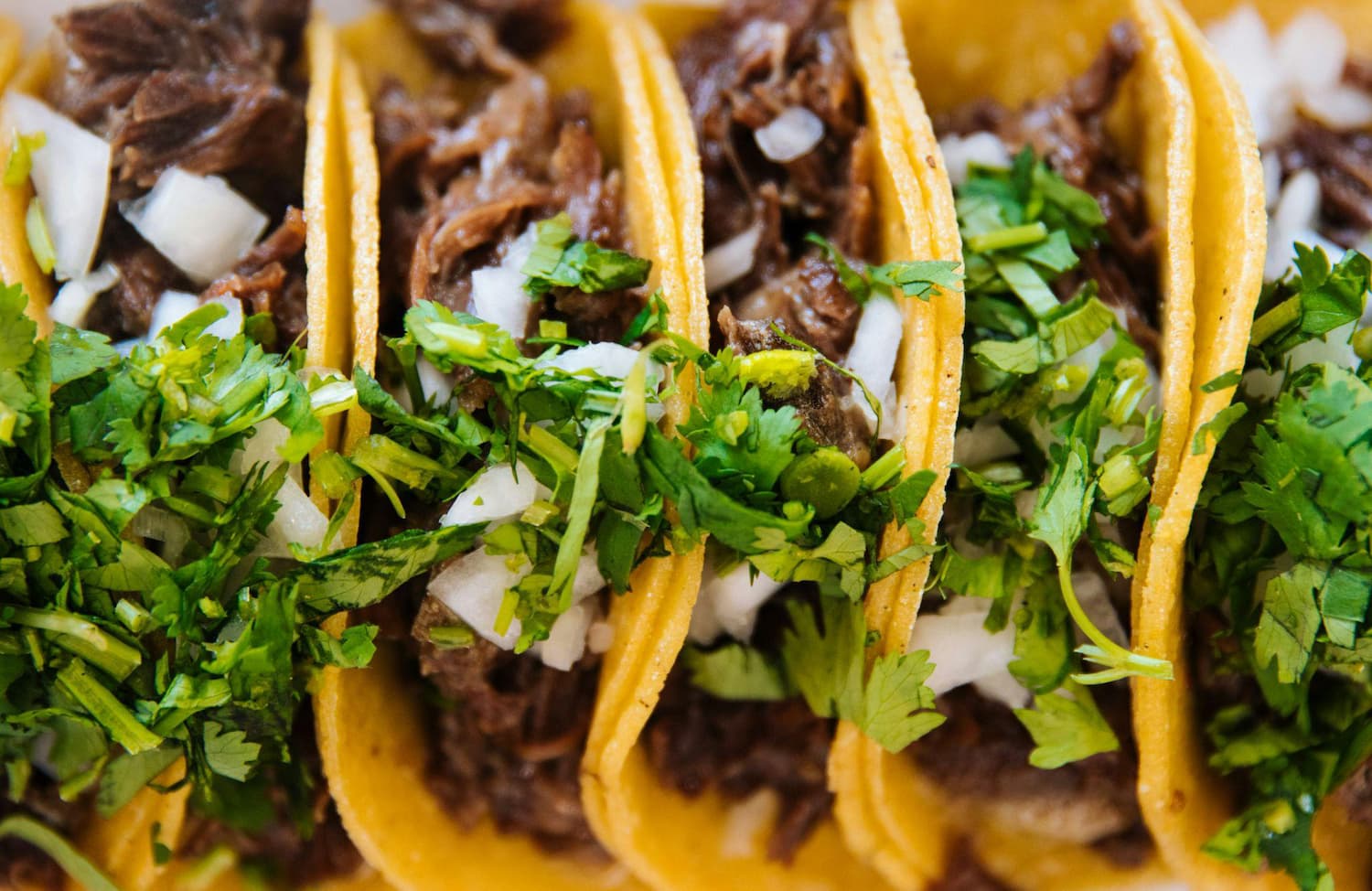
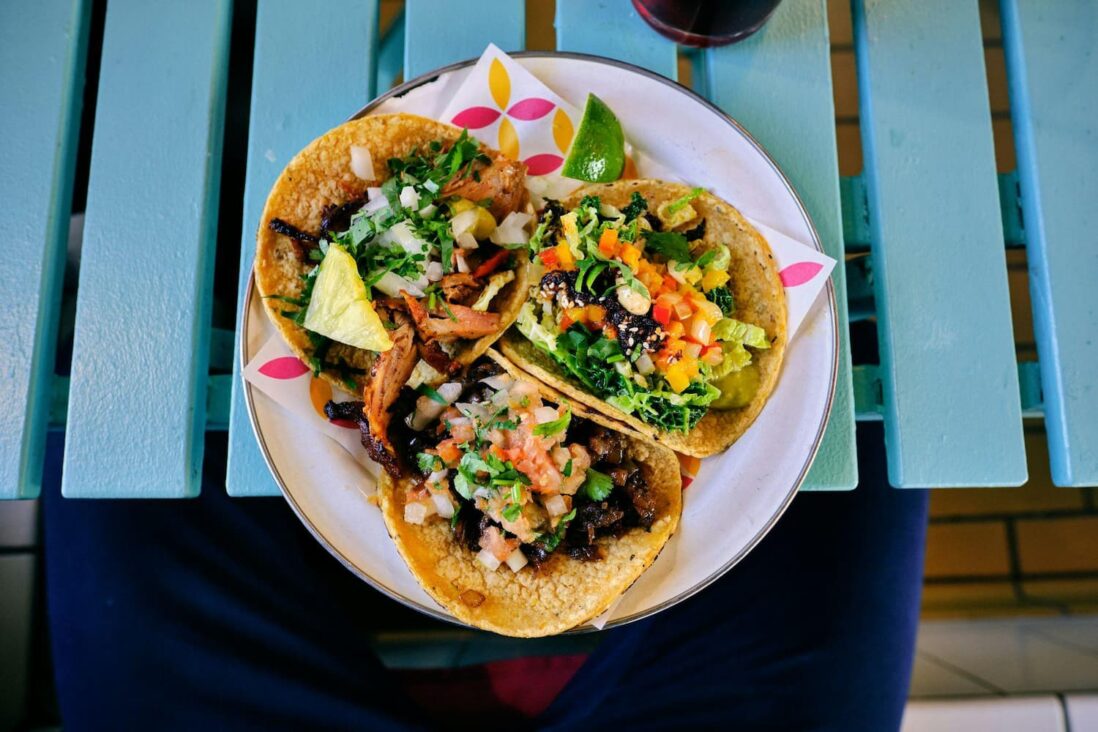
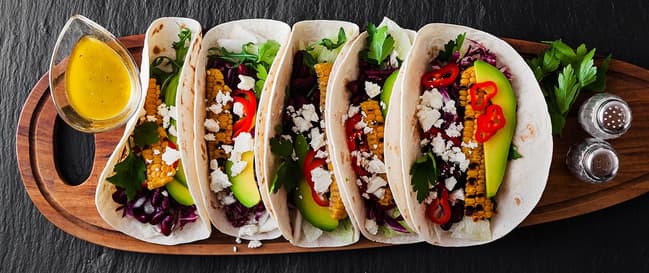
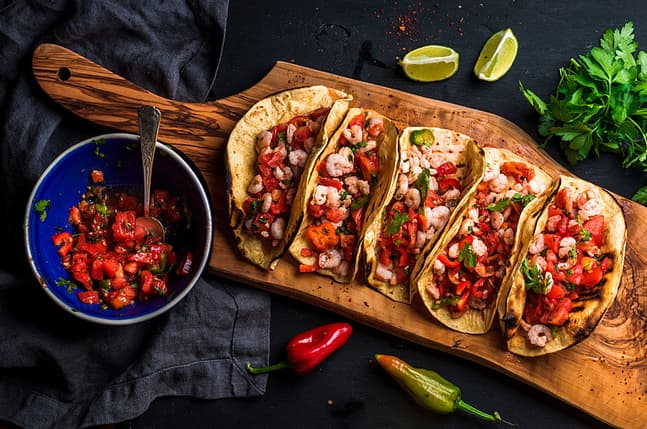
In Mexico, tacos are not just something you grab when you are hungry and cannot be bothered to cook. They are social institutions. Economic engines. Identity badges. If you only look at the tortilla and whatever is inside it, you miss the real story.

The power of tacos sits in everything wrapped around them. The routines. The late-night stops. The way people talk about them. The money that moves through them. The memories are tied to specific stands and specific streets.

Part of why tacos became this important is simple. They can absorb almost anything. You can fold a tortilla around offal, seafood, cheap cuts, premium cuts, seasonal vegetables, and it all still reads as a taco.

Why Taco Stands Create Community Architecture

A taco stand is never just a place where money is exchanged for food; it’s also a gathering place where people come together. It is a piece of neighborhood architecture. It becomes a reference point.

It becomes a nightly gathering spot and a place where people transition from strangers to familiar faces without ever formally introducing themselves. Regulars know each other by sight. Vendors know your usual order before you open your mouth. Community does not get announced there. It just quietly happens.

You see other industries trying to manufacture that same feeling. Look at online casinos. Especially those found at Polskie-Kasyno-Online.pl, they feature chat rooms, shared tables, small avatars, tournaments, and leaderboards, all designed to make you feel like you are not just clicking alone on a screen.

Taco stands do not require UX or engagement tactics—their format inherently encourages interaction. You are standing shoulder to shoulder with other customers, squeezed into a small space, waiting while the taquero flips meat and warms tortillas. Someone cracks a joke about the salsa being deadly. Somebody else asks which cut of meat is best.

A friend walking by spots you and joins in. Before you know it, you are in a conversation with three people you did not know five minutes ago—no app features. No prompts. Just gravity pulling people together.

That is why taco stands function as third places in the classic sense. They are not home, not work, but the in-between spaces where community is actually maintained. The stand where everyone ends up after a late shift or before heading home from a night out is not just a food vendor; it’s a gathering spot. It is social infrastructure.

Night after night, plate after plate, they stitch neighborhood ties a little tighter.

How Different Regions Express Identity Through Tacos

Tacos are Mexico’s clearest expression of regional identity.

Each area has its own shapes, flavors, and rules that it won’t compromise on. Those differences become shorthand. A single bite reveals where you are and who made the rules there.

Mexico City and tacos al pastor. That spinning trompo of marinated pork with pineapple on top didn’t just materialize. Lebanese immigrants introduced shawarma techniques. Local cooks adapted, swapping lamb for pork. Mexico City claimed it as a classic capital city.

You see that red meat and pineapple under a flickering streetlight, you know exactly what city you’re in.

Baja California shifts the conversation to fish tacos. Fresh seafood, crisp batter, bright salsas. US influence is creeping in through surf culture and the border. It’s coastal identity wrapped in a tortilla.

Go south to Oaxaca, and you find tlayudas: oversized, almost pizza-like tortillas loaded with beans, cheese, and meats. Technically, some argue they’re not tacos. Functionally, you’re eating them like tacos in a space shaped by indigenous tradition.

These foods serve as cultural markers that evoke strong emotions. Someone from one state will swear that their style is superior and defend it as if it’s a personal matter. People move away and ache for the tacos from home, never finding the same taste elsewhere. Others plan trips around specific stands just to eat the thing where it was born.

That’s taco tourism–it turns casual street food into something closer to pilgrimage.

Tacos stop being throwaway convenience food. They become symbols, artifacts, things worth preserving. You’re not eating lunch. You’re touching regional identity, people are proud of and willing to fight for.

Share

By

Discovering Barbados Through Food: Why Harrison’s Cave Should Be on Every Foodie’s Itinerary

By Posted on 4 min read 71 views


When you think about Caribbean travel, your mind probably goes straight to beaches and rum cocktails. But here’s something I learned during my last trip to Barbados some of the best meals happen after you’ve worked up a real appetite exploring the island. And nothing builds an appetite quite like spending a morning underground at Harrison’s Cave.
I know what you’re thinking. What does a cave system have to do with a Mexican restaurant blog? Stay with me here.

The Unexpected Connection Between Caves and Cuisine


Harrison’s Cave sits in the central uplands of Barbados, about 700 feet above sea level. It’s this massive limestone cavern system that was only properly explored in the 1970s, even though locals knew about it for decades before that. You take a tram ride through these crystallized limestone caves, past underground waterfalls and pools that are genuinely impressive not the kind of thing you see every day.

But what struck me most wasn’t just the stalactites or the echo of water dripping somewhere in the darkness. It was how hungry I felt afterward. And I mean genuinely, deeply hungry in a way that sitting at a desk all day never makes you feel.
The tour takes about an hour, maybe a bit more if your group asks a lot of questions. The temperature down there hovers around 75 degrees, which sounds comfortable but the humidity is high. You’re walking through sections, climbing some stairs, and your body is working more than you realize. When you come back up into that Barbados sunshine, everything feels sharper. Colors seem brighter. And food smells absolutely incredible.


What This Teaches Us About Eating Well


There’s something restaurants can learn from this, and it’s not complicated. The best meals often happen when you’ve actually done something beforehand. Not just scrolled through your phone for an hour, but moved your body, experienced something new, felt a little bit of wonder or surprise.


Mexican food especially benefits from this. When you’ve been active and you sit down to proper tacos or a bowl of pozole, the flavors hit different. The lime tastes sharper, the cilantro more vibrant. Your body actually wants the salt, the protein, the carbs. It’s not just eating because it’s lunchtime it’s eating because you need it.
After Harrison’s Cave, we ended up at a small place near Holetown. It wasn’t Mexican, but the principle was the same. Everything tasted better because we’d earned it. The hot sauce felt like a reward rather than just a condiment.


Building Experience Around Food


Here’s where this connects to what we do. A lot of restaurants now focus only on the food itself the recipes, the presentation, making everything Instagram-worthy. That’s fine, but it’s only half the equation. The other half is what your customers bring to the table, literally.
Are they coming in after a long boring day where nothing happened? Or are they coming in with stories, with that specific kind of tiredness that comes from doing something memorable?
The Barbados tourism board figured this out, probably without meaning to. They don’t just promote beaches. They promote Harrison’s Cave, the botanical gardens, rum distillery tours, hiking through the Scotland District. They give people reasons to move around and work up an appetite. Then those same tourists sit down at restaurants all over the island and everything tastes amazing because they’re actually hungry and their senses are alive.
We should think about this more. Not just as restaurant owners or food writers, but as people who care about how food gets experienced.


The Practical Side


Harrison’s Cave costs around $30 USD for adults, last I checked. It’s not cheap but it’s not outrageous either. They run tours throughout the day, and you should probably book ahead during peak season. The whole experience including the visitor center takes maybe two to three hours.
What I’m saying is if you find yourself in Barbados, don’t skip it just because you’re there for the food scene. Actually, go specifically because you’re there for the food. The cave makes every meal after it taste better. I’m not exaggerating.
And if you’re nowhere near Barbados right now, the principle still holds. Find something in your area that gets you moving and engaged before you sit down for tacos. Go for a long walk, visit a museum, do something that takes you out of your routine. Then come in hungry and present.


What We’re Really Talking About


This whole thing with Harrison’s Cave reminded me that food doesn’t exist in isolation. A great meal depends on context who you’re with, what you did that day, how your body feels. Mexican cuisine understands this instinctively. It’s food meant to be eaten after work, after celebration, after doing things that matter.
The limestone formations in that cave took thousands of years to form. Your appetite after seeing them takes about an hour. Both are natural processes, just on different timescales.
I think restaurants sometimes forget that they’re part of someone’s whole day, not just the main event. The best ones know they’re the punctuation mark on an experience, not the entire sentence.
So yeah if you’re planning a Caribbean trip and you care about food, add Harrison’s Cave to your itinerary. Your taste buds will thank you.

Share

By

How Dining Choices Reflect Personal Well-being

By Posted on 5 min read 74 views

Eating is a basic human need, but it’s also a reflection of much more than just fueling our bodies. The foods we choose to eat, the way we approach mealtimes, and our overall eating habits are all tied to our well-being in complex ways. What we put on our plates directly impacts our physical health, mental clarity, and emotional balance. By understanding how dining choices affect us, we can take steps to create a lifestyle that promotes better health and self-care.

From managing energy levels to fostering a sense of balance, food plays a pivotal role in our daily lives. In this article, we’ll explore how dining choices shape personal well-being and how thoughtful eating can lead to long-term benefits for body and mind.

The Impact of Nutrition on Physical Health

One of the most direct ways dining choices affect our well-being is through the nourishment they provide to our bodies. The food we eat offers the essential vitamins, minerals, and nutrients our bodies need to function at their best. Proper nutrition can help manage weight, boost the immune system, and prevent chronic diseases.

For example, including more fruits and vegetables in our diets helps maintain healthy skin, strong bones, and a properly functioning heart. Healthy fats from sources like nuts, seeds, and avocados can support brain function and hormone regulation. On the other hand, excessive consumption of processed foods, sugars, and unhealthy fats can contribute to inflammation, weight gain, and conditions such as diabetes and high blood pressure.

By making informed choices about what we eat, we can control many aspects of our physical health. Eating balanced meals that include whole, nutrient-dense foods gives us the energy we need to stay active and focused throughout the day. You can read more about the benefits of healthy eating on various health platforms here.

How Food Affects Mental Clarity and Mood

What we eat also impacts our mental clarity and emotional well-being. For example, consuming a lot of sugar or refined carbohydrates can cause blood sugar spikes followed by crashes, leading to mood swings, irritability, and difficulty concentrating. Conversely, meals with a balance of protein, complex carbs, and healthy fats promote stable blood sugar levels, leading to improved focus and a steady mood.

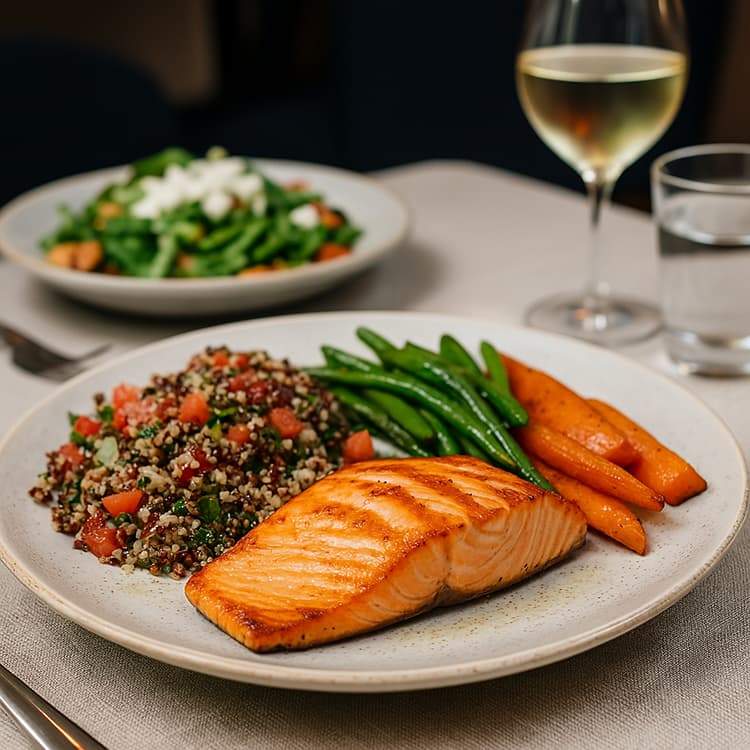
Certain foods contain specific nutrients that directly affect brain health. Omega-3 fatty acids, found in fatty fish like salmon, are essential for brain function and can reduce symptoms of anxiety and depression. Foods rich in antioxidants, such as berries and leafy greens, help protect the brain from oxidative stress, which is linked to cognitive decline. In addition, vitamins like B12 and D, found in dairy products and eggs, play a crucial role in preventing mental fatigue and mood disorders.

The relationship between diet and mood has been well-documented in studies, showing that food can influence how we feel both in the short term and over the long term. By choosing foods that support cognitive health and emotional stability, we can better manage stress, improve our concentration, and elevate our mood on a daily basis.

Dining and Social Connections

Food is more than just fuel – it’s also a way to connect with others. Social meals, whether with family, friends, or colleagues, foster bonds and strengthen relationships. How we approach shared meals can be an expression of our values, culture, and emotional well-being.

Gathering around the table for a home-cooked meal or dining out at a favorite restaurant can be an opportunity to bond, share experiences, and communicate. The act of cooking together or enjoying a meal with loved ones can also promote mindfulness, reduce stress, and improve mental well-being. Moreover, dining choices can influence the quality of those relationships. For instance, choosing to cook healthy meals together promotes a sense of collaboration and care, which can enhance feelings of connection.

Eating mindfully during these social occasions can also increase our satisfaction with the meal and the experience. By paying attention to the flavors, textures, and aromas of the food, we can enhance the pleasure of eating and create lasting memories. Creating mindful dining habits with those closest to you supports emotional health and strengthens social ties.

You can read more about how food influences relationships and mental health read here.

The Psychological Benefits of Healthy Eating

Beyond the physical and social aspects, the psychological benefits of healthy eating are profound. Our food choices can influence our self-esteem, body image, and overall satisfaction with life. Choosing to nourish our bodies with wholesome foods can create a sense of accomplishment and self-respect, while eating poorly may leave us feeling sluggish or disconnected from our health goals.

Many people find that maintaining a healthy diet boosts their self-confidence. As they notice improvements in their physical appearance, energy levels, and mood, they feel empowered to make further healthy choices. The act of choosing nutrient-dense foods over processed options is not just about physical health – it’s a form of self-care that reinforces a positive relationship with our bodies.

On the flip side, when we neglect our nutritional needs, we might experience negative feelings about ourselves, which can affect our self-worth and happiness. For some individuals, emotional eating may become a coping mechanism for stress, sadness, or anxiety. Becoming aware of this relationship between food and emotions is a step toward better self-awareness and improving overall mental health.

By taking control of our dining choices, we can foster a healthier mindset and a deeper sense of well-being.

Conclusion

Our dining choices are more than just a way to satisfy hunger – they are a reflection of our overall well-being. The foods we choose affect not only our pysical health but also our mental and emotional states. By prioritizing balanced, nutritious meals, we invest in our long-term health and happiness.

Understanding the connection between diet and well-being allows us to make choices that promote better energy, mental clarity, and emotional stability. Whether cooking at home, dining out, or simply making mindful food decisions, every meal is an opportunity to care for ourselves.

So next time you sit down to eat, think about the benefits that thoughtful dining brings. It’s not just about eating to feel full – it’s about nourishing your body, mind, and spirit to live your best life.

Share

By

What Dining Says About Our Choices

By Posted on 5 min read 74 views

Dining is an integral part of everyday life, but it’s also much more than just the act of eating. It’s a window into who we are, what we value, and how we navigate the world around us. From the foods we choose to the way we approach mealtimes, dining is an extension of our preferences, priorities, and personal identity. It’s not simply about satisfying hunger, it’s about making decisions that reflect what matters to us.

In this article, we explore how dining shapes our experiences, from the food we select to the places we eat, and how these choices influence our daily routines, social life, and even our health.

The Food We Choose Reflects Our Priorities

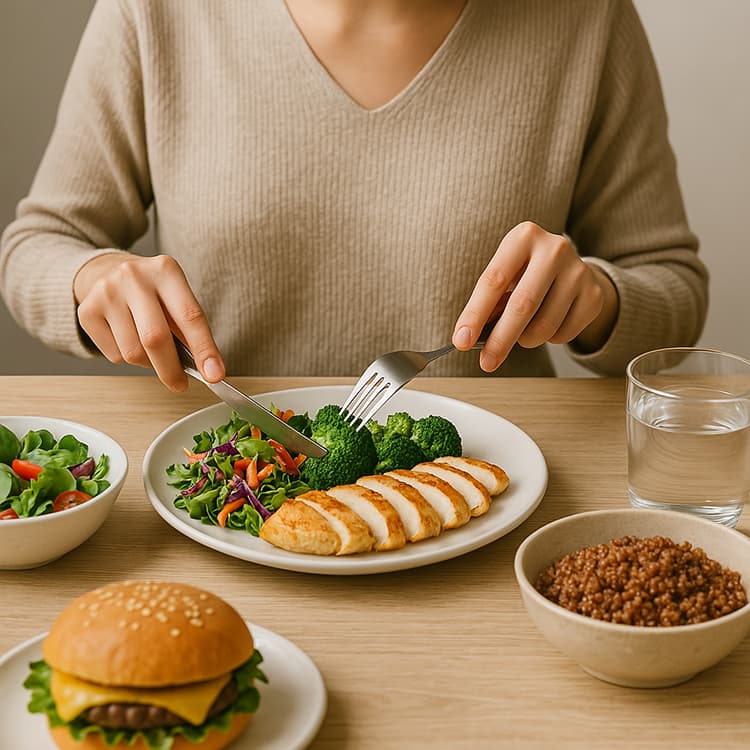
The food we eat often tells a story. It reflects our priorities in terms of health, taste, and convenience. People who prioritize nutrition tend to choose whole, fresh ingredients, such as fruits, vegetables, and lean proteins. These choices show an awareness of the need for energy and health maintenance. Meanwhile, those who frequently opt for quick, processed meals might be more focused on convenience and time-saving, but these choices can sometimes reflect a lack of awareness about the long-term effects on health.

Food choices also often mirror our values. For example, those who select organic or locally sourced products may place value on sustainability and support for local farmers. Choosing such foods can also show a willingness to pay a little more for the environment and community. Conversely, individuals who favor fast food or mass-produced meals may prioritize convenience, cost, or comfort over other considerations.

By understanding the choices we make at the table, we can learn more about our own values, priorities, and attitudes towards health and society. These choices shape how we approach daily life and influence what we choose to focus on as we move through our routines.

Where We Eat Tells a Story Too

The places we choose to eat also offer insights into our preferences and social habits. Whether we prefer eating at home, dining out, or grabbing a quick bite on the go, each choice speaks to how we want to spend our time, interact with others, and experience food.

Eating at home can be a way to nurture personal well-being, offering a sense of control over what we consume. Many people enjoy cooking meals from scratch as a way to connect with tradition, creativity, and health. On the other hand, dining out can serve as an opportunity to socialize, explore new culinary trends, or treat oneself to a special experience. The ambiance of a restaurant, the type of cuisine, and the people we dine with all play a part in shaping our mood and experiences.

In addition, the growing trend of food delivery shows how our fast-paced lifestyles continue to influence dining habits. It’s not just about food anymore – it’s about convenience, speed, and finding new ways to make food accessible and fitting into our busy lives. Even the food delivery service we choose may indicate our attitude towards spending time on food preparation and how much value we place on meal quality versus speed.

Each choice we make in where and how we eat says something about how we interact with the world around us. Dining locations are more than mere backgrounds; they shape how we enjoy food and our overall experiences with others.

Social Dining and Its Role in Connection

Dining is often a social activity. It brings people together, whether it’s family, friends, colleagues, or strangers. Sharing a meal has always been one of the most basic human activities, allowing individuals to bond over a common experience. The choice of where to eat and what to eat is often influenced by the desire to connect with others.

Whether it’s a quiet dinner at home or a celebratory meal at a restaurant, eating together fosters relationships. People gather to talk, share stories, or simply enjoy each other’s company. Dining is an experience that involves connection, whether through conversation or simply sharing the act of eating.

For many, meals are moments of connection – whether it’s sitting down with family, grabbing coffee with friends, or joining colleagues for a quick bite. Meals become more than just eating; they are about creating shared experiences, memories, and often, laughter.

Eating out in different social settings also provides an opportunity to explore different cuisines and cultures, adding depth to our understanding of the world. Trying new dishes in a group can spark conversations about food preferences, history, and even memories, enriching our lives with new perspectives.

The Everyday Ritual of Dining

At its core, dining is a ritual. The act of sitting down, eating, and enjoying food offers a break from our busy lives, giving us the chance to pause and reflect. Mealtimes offer structure to our days – whether it’s breakfast, lunch, or dinner – and these moments can serve as anchors throughout the day.

As simple as it seems, eating can offer both mental and physical benefits. A well-planned meal can reduce stress, improve focus, and provide the nutrients needed to keep going. For some, the ritual of preparing a meal or sitting down at the table can be an act of mindfulness, helping to clear the mind and establish a sense of routine.

Many people find comfort in regular meals. These routines provide structure to the day, helping to reduce the chaos of busy schedules. Sitting down for a meal, even if it’s just a few minutes to eat something simple, offers a moment of calm amidst a fast-paced world.

Conclusion

Dining is a powerful experience that goes far beyond the food itself. It’s about choices – what we eat, where we eat, and who we share meals with. These choices reflect our priorities, values, and the way we connect with others. Whether we’re eating alone or with others, at home or out, the act of dining offers insights into our habits, social lives, and the culture we embrace.

What we put on our plates and how we approach mealtimes is a reflection of who we are. By paying attention to these small decisions, we can better understand ourselves and how we interact with the world. Dining, in its simplest form, is an expression of life itself – how we choose to nourish and enjoy the moments we share.

Share

By

From the tap to the plate: the role of gravity filters in Mexican cuisine

By Posted on 4 min read 76 views

In Mexican cuisine, every ingredient matters, and the quality of the water used at all stages of cooking plays a major role. Water is not only the basis for sauces, marinades and drinks, but also an integral part of processes such as washing vegetables, meat or dishes. This is why Mexican restaurants are increasingly turning to gravity water filters, which ensure cleanliness and safety, and therefore the impeccable taste of dishes.

Why do we need water filtration?

Mexican cuisine is characterized by bright flavors and complex combinations of ingredients, as well as many dishes in which water plays a key role. For example, to prepare drinks such as aguas frescas (refreshing fruit drinks) or sauces such as salsa, clean water is required so as not to spoil the taste. However, if the water is contaminated or has an unpleasant odor, it can disrupt the integrity of flavor combinations and create a negative impression of the dish.

Non-pressure filters become real helpers in such situations. They provide uninterrupted purification of water from chlorine, sand, dirt and other contaminants, keeping its taste neutral and safe for consumption. This allows restaurateurs to confidently use water at all stages of cooking without worrying about its quality.

The role of filtration in cooking

In Mexican restaurants, water is used not only to prepare drinks, but also to process ingredients. For example, vegetables such as tomatoes and peppers often require pre-washing in clean water before they go into a sauce or salad. If the water is not purified, even the smallest contaminants can affect the taste, as well as cause undesirable health consequences.

Gravity filters remove chlorine and other chemical impurities from water, which is especially important for improving the taste when preparing complex dishes such as salsa, where the harmony of aromas comes first. Using filtered water also helps to avoid unpleasant aftertastes in soups, sauces and broths, which is especially important for preserving the authentic Mexican taste.

Water in drinks and cocktails

In addition, Mexican restaurants use water to prepare cocktails such as tequila with salt and lime or the famous Mexican cocktail “michelada”. Here, too, it is important that the water is clean, since any impurities can change the taste and texture of the drink. Water filtration ensures that all drinks will have a fresh and natural taste that goes perfectly with bright Mexican spices and alcohol.

Advantages of Gravity Filters for Restaurants

Using gravity filters not only improves the taste and safety of products, but also saves money. These filters are easy to maintain, do not require large installation and operation costs, and can be used to filter water at all stages – from the entrance to the restaurant to its use directly in the kitchen. The restaurant can be sure that the quality of the water will not be compromised, regardless of the operating time or consumption volumes.

Water Purity and Quality in Mexican Cuisine:

When it comes to Mexican cuisine, the quality of ingredients is crucial. The water used in the preparation of food and drinks should be free of any contaminants that could affect the taste or safety of the food. In this context, Tankless Water Treatment Services in NYC becomes an important tool for restaurants that want to provide their customers with perfect water quality. These low-pressure filtration systems effectively remove chlorine, heavy metals, and other contaminants from water, ensuring that every component of the dish meets high standards.

Water purity is especially important in Mexican cuisine, which uses rich dishes such as salsas, soups, sauces, and marinades. These dishes often require clean water to maintain the balance of flavors. Even small impurities or odors in the water can spoil the final result, affecting the guests’ perception of the food. Tankless Water Treatment allows restaurants to purify water at every stage – from washing vegetables to preparing cocktails and drinks. Using such systems helps to avoid unpleasant tastes, making dishes as fresh and tasty as possible.

In addition, Mexican restaurants often serve drinks such as aguas frescas or tequila with lime and salt, which require special attention to water quality. Maintaining a high reputation in the restaurant business is impossible without ensuring the high quality of all ingredients used, and water filtration plays a key role in this.

Restaurants using Tankless Water Treatment Services also improve overall operating efficiency. These systems require minimal maintenance and do not require filter replacement with each cycle, which allows restaurants to save time and resources. Ultimately, integrating modern water treatment systems helps restaurants not only maintain high quality dishes, but also provide safe and healthy food to their customers.

Conclusion:

Gravity water filters play an important role in Mexican cuisine, providing the restaurant with uninterrupted access to clean and safe water. This affects not only the quality of drinks and dishes, but also the satisfaction of guests who care about every nuance in food. Water quality is directly related to the quality of food, and the use of modern filters allows restaurants to achieve impeccable taste and a high reputation in the gastronomy industry.

Share

By