By
By 
Dining is an integral part of everyday life, but it’s also much more than just the act of eating. It’s a window into who we are, what we value, and how we navigate the world around us. From the foods we choose to the way we approach mealtimes, dining is an extension of our preferences, priorities, and personal identity. It’s not simply about satisfying hunger, it’s about making decisions that reflect what matters to us.
In this article, we explore how dining shapes our experiences, from the food we select to the places we eat, and how these choices influence our daily routines, social life, and even our health.
The Food We Choose Reflects Our Priorities
The food we eat often tells a story. It reflects our priorities in terms of health, taste, and convenience. People who prioritize nutrition tend to choose whole, fresh ingredients, such as fruits, vegetables, and lean proteins. These choices show an awareness of the need for energy and health maintenance. Meanwhile, those who frequently opt for quick, processed meals might be more focused on convenience and time-saving, but these choices can sometimes reflect a lack of awareness about the long-term effects on health.
Food choices also often mirror our values. For example, those who select organic or locally sourced products may place value on sustainability and support for local farmers. Choosing such foods can also show a willingness to pay a little more for the environment and community. Conversely, individuals who favor fast food or mass-produced meals may prioritize convenience, cost, or comfort over other considerations.
By understanding the choices we make at the table, we can learn more about our own values, priorities, and attitudes towards health and society. These choices shape how we approach daily life and influence what we choose to focus on as we move through our routines.
Where We Eat Tells a Story Too
The places we choose to eat also offer insights into our preferences and social habits. Whether we prefer eating at home, dining out, or grabbing a quick bite on the go, each choice speaks to how we want to spend our time, interact with others, and experience food.
Eating at home can be a way to nurture personal well-being, offering a sense of control over what we consume. Many people enjoy cooking meals from scratch as a way to connect with tradition, creativity, and health. On the other hand, dining out can serve as an opportunity to socialize, explore new culinary trends, or treat oneself to a special experience. The ambiance of a restaurant, the type of cuisine, and the people we dine with all play a part in shaping our mood and experiences.
In addition, the growing trend of food delivery shows how our fast-paced lifestyles continue to influence dining habits. It’s not just about food anymore – it’s about convenience, speed, and finding new ways to make food accessible and fitting into our busy lives. Even the food delivery service we choose may indicate our attitude towards spending time on food preparation and how much value we place on meal quality versus speed.
Each choice we make in where and how we eat says something about how we interact with the world around us. Dining locations are more than mere backgrounds; they shape how we enjoy food and our overall experiences with others.
Social Dining and Its Role in Connection
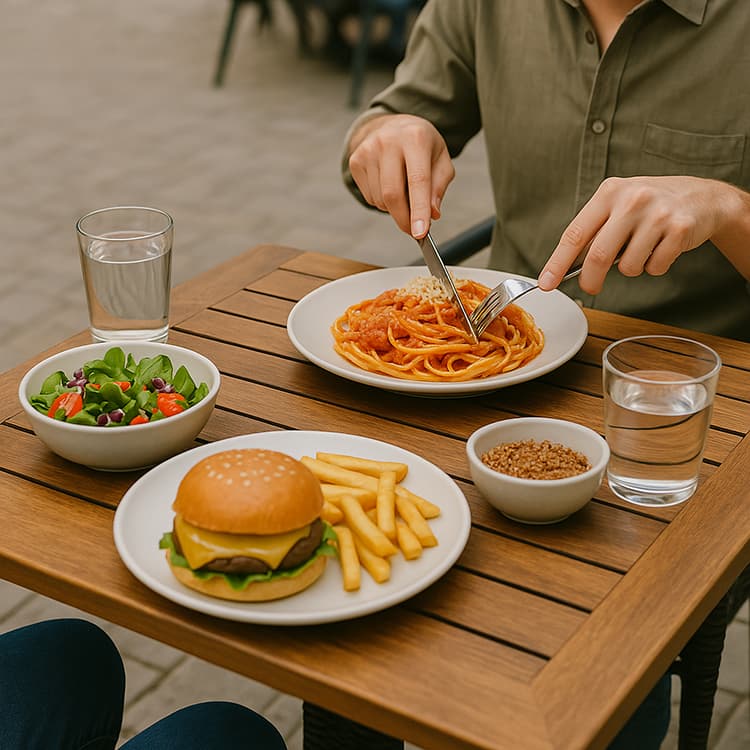
Dining is often a social activity. It brings people together, whether it’s family, friends, colleagues, or strangers. Sharing a meal has always been one of the most basic human activities, allowing individuals to bond over a common experience. The choice of where to eat and what to eat is often influenced by the desire to connect with others.
Whether it’s a quiet dinner at home or a celebratory meal at a restaurant, eating together fosters relationships. People gather to talk, share stories, or simply enjoy each other’s company. Dining is an experience that involves connection, whether through conversation or simply sharing the act of eating.
For many, meals are moments of connection – whether it’s sitting down with family, grabbing coffee with friends, or joining colleagues for a quick bite. Meals become more than just eating; they are about creating shared experiences, memories, and often, laughter.
Eating out in different social settings also provides an opportunity to explore different cuisines and cultures, adding depth to our understanding of the world. Trying new dishes in a group can spark conversations about food preferences, history, and even memories, enriching our lives with new perspectives.
The Everyday Ritual of Dining
At its core, dining is a ritual. The act of sitting down, eating, and enjoying food offers a break from our busy lives, giving us the chance to pause and reflect. Mealtimes offer structure to our days – whether it’s breakfast, lunch, or dinner – and these moments can serve as anchors throughout the day.
As simple as it seems, eating can offer both mental and physical benefits. A well-planned meal can reduce stress, improve focus, and provide the nutrients needed to keep going. For some, the ritual of preparing a meal or sitting down at the table can be an act of mindfulness, helping to clear the mind and establish a sense of routine.
Many people find comfort in regular meals. These routines provide structure to the day, helping to reduce the chaos of busy schedules. Sitting down for a meal, even if it’s just a few minutes to eat something simple, offers a moment of calm amidst a fast-paced world.
Conclusion
Dining is a powerful experience that goes far beyond the food itself. It’s about choices – what we eat, where we eat, and who we share meals with. These choices reflect our priorities, values, and the way we connect with others. Whether we’re eating alone or with others, at home or out, the act of dining offers insights into our habits, social lives, and the culture we embrace.
What we put on our plates and how we approach mealtimes is a reflection of who we are. By paying attention to these small decisions, we can better understand ourselves and how we interact with the world. Dining, in its simplest form, is an expression of life itself – how we choose to nourish and enjoy the moments we share.