By
By 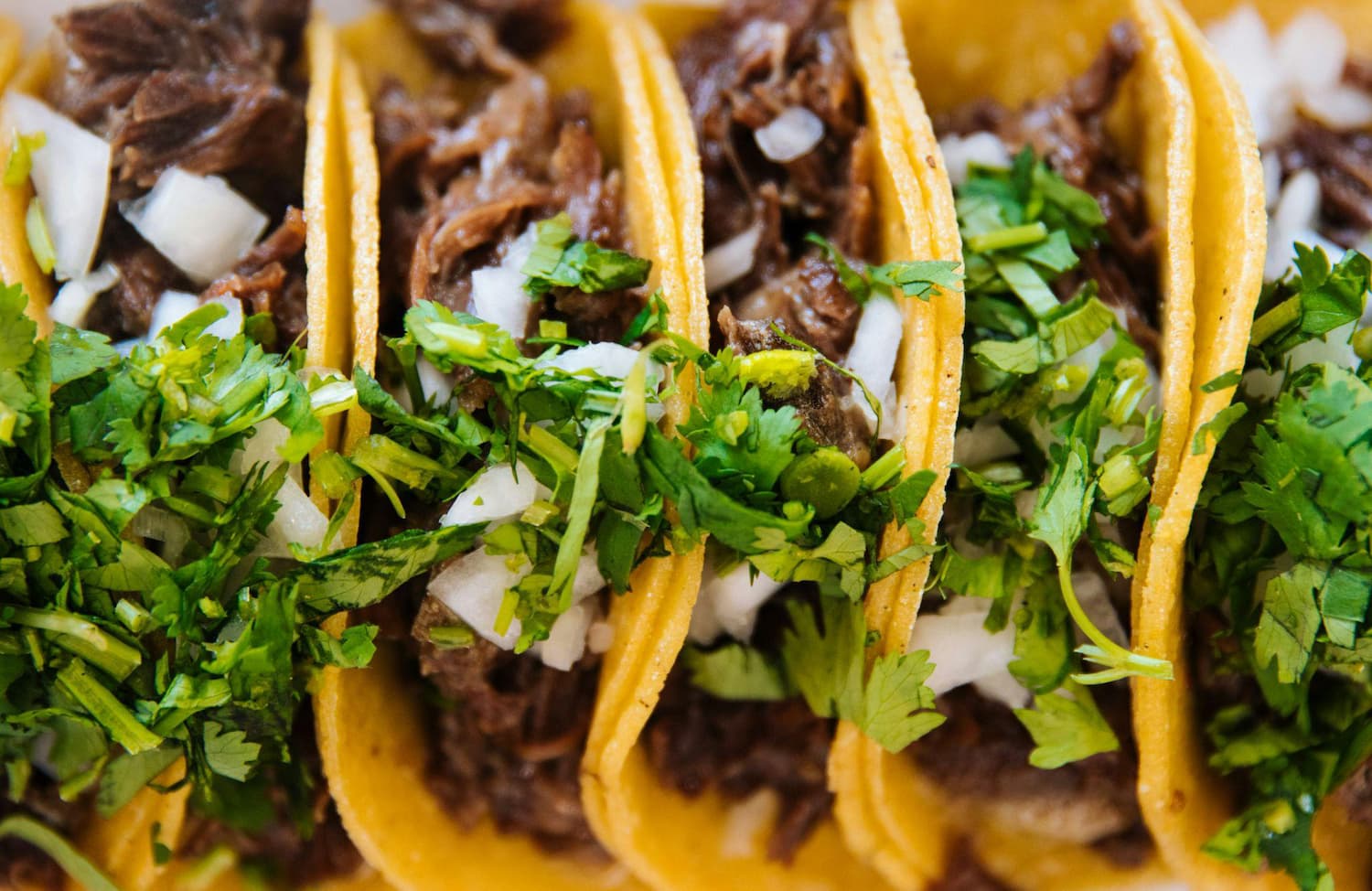
In Mexico, tacos are not just something you grab when you are hungry and cannot be bothered to cook. They are social institutions. Economic engines. Identity badges. If you only look at the tortilla and whatever is inside it, you miss the real story.
The power of tacos sits in everything wrapped around them. The routines. The late-night stops. The way people talk about them. The money that moves through them. The memories are tied to specific stands and specific streets.
Part of why tacos became this important is simple. They can absorb almost anything. You can fold a tortilla around offal, seafood, cheap cuts, premium cuts, seasonal vegetables, and it all still reads as a taco.
Why Taco Stands Create Community Architecture
A taco stand is never just a place where money is exchanged for food; it’s also a gathering place where people come together. It is a piece of neighborhood architecture. It becomes a reference point.
It becomes a nightly gathering spot and a place where people transition from strangers to familiar faces without ever formally introducing themselves. Regulars know each other by sight. Vendors know your usual order before you open your mouth. Community does not get announced there. It just quietly happens.
You see other industries trying to manufacture that same feeling. Look at online casinos. Especially those found at Polskie-Kasyno-Online.pl, they feature chat rooms, shared tables, small avatars, tournaments, and leaderboards, all designed to make you feel like you are not just clicking alone on a screen.
Taco stands do not require UX or engagement tactics—their format inherently encourages interaction. You are standing shoulder to shoulder with other customers, squeezed into a small space, waiting while the taquero flips meat and warms tortillas. Someone cracks a joke about the salsa being deadly. Somebody else asks which cut of meat is best.
A friend walking by spots you and joins in. Before you know it, you are in a conversation with three people you did not know five minutes ago—no app features. No prompts. Just gravity pulling people together.
That is why taco stands function as third places in the classic sense. They are not home, not work, but the in-between spaces where community is actually maintained. The stand where everyone ends up after a late shift or before heading home from a night out is not just a food vendor; it’s a gathering spot. It is social infrastructure.
Night after night, plate after plate, they stitch neighborhood ties a little tighter.
How Different Regions Express Identity Through Tacos
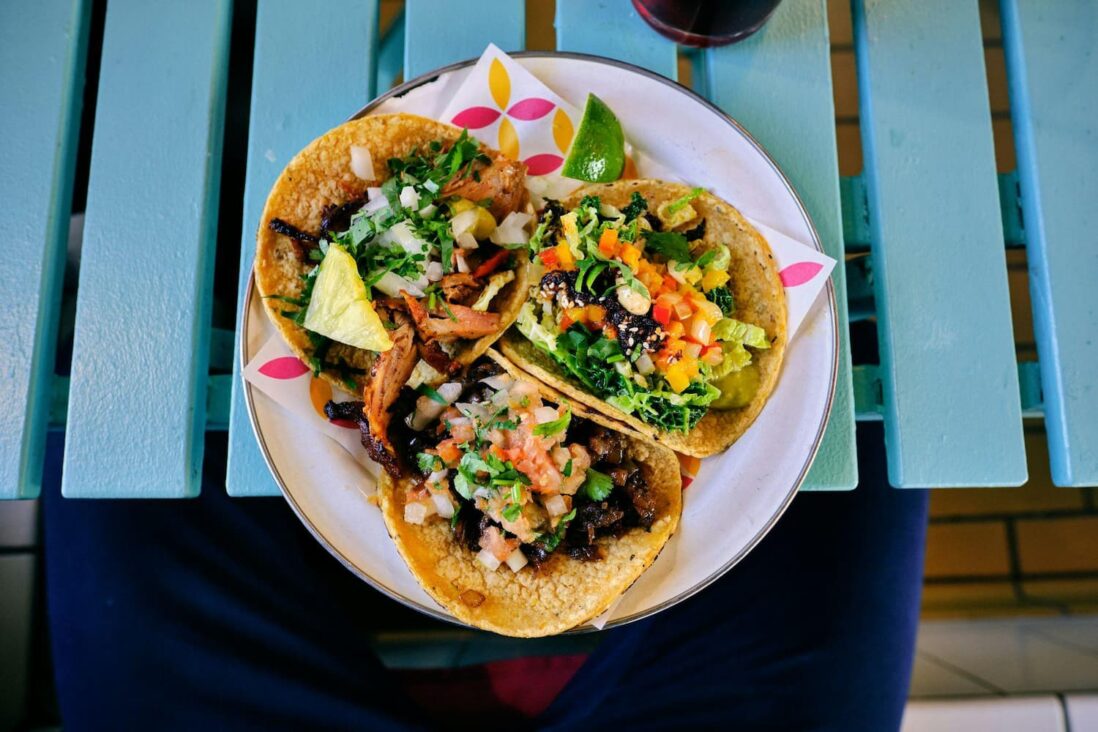
Tacos are Mexico’s clearest expression of regional identity.
Each area has its own shapes, flavors, and rules that it won’t compromise on. Those differences become shorthand. A single bite reveals where you are and who made the rules there.
Mexico City and tacos al pastor. That spinning trompo of marinated pork with pineapple on top didn’t just materialize. Lebanese immigrants introduced shawarma techniques. Local cooks adapted, swapping lamb for pork. Mexico City claimed it as a classic capital city.
You see that red meat and pineapple under a flickering streetlight, you know exactly what city you’re in.
Baja California shifts the conversation to fish tacos. Fresh seafood, crisp batter, bright salsas. US influence is creeping in through surf culture and the border. It’s coastal identity wrapped in a tortilla.
Go south to Oaxaca, and you find tlayudas: oversized, almost pizza-like tortillas loaded with beans, cheese, and meats. Technically, some argue they’re not tacos. Functionally, you’re eating them like tacos in a space shaped by indigenous tradition.
These foods serve as cultural markers that evoke strong emotions. Someone from one state will swear that their style is superior and defend it as if it’s a personal matter. People move away and ache for the tacos from home, never finding the same taste elsewhere. Others plan trips around specific stands just to eat the thing where it was born.
That’s taco tourism–it turns casual street food into something closer to pilgrimage.
Tacos stop being throwaway convenience food. They become symbols, artifacts, things worth preserving. You’re not eating lunch. You’re touching regional identity, people are proud of and willing to fight for.